PSAP Operations
Call taking, dispatch, and escalation
E911 Readiness Center
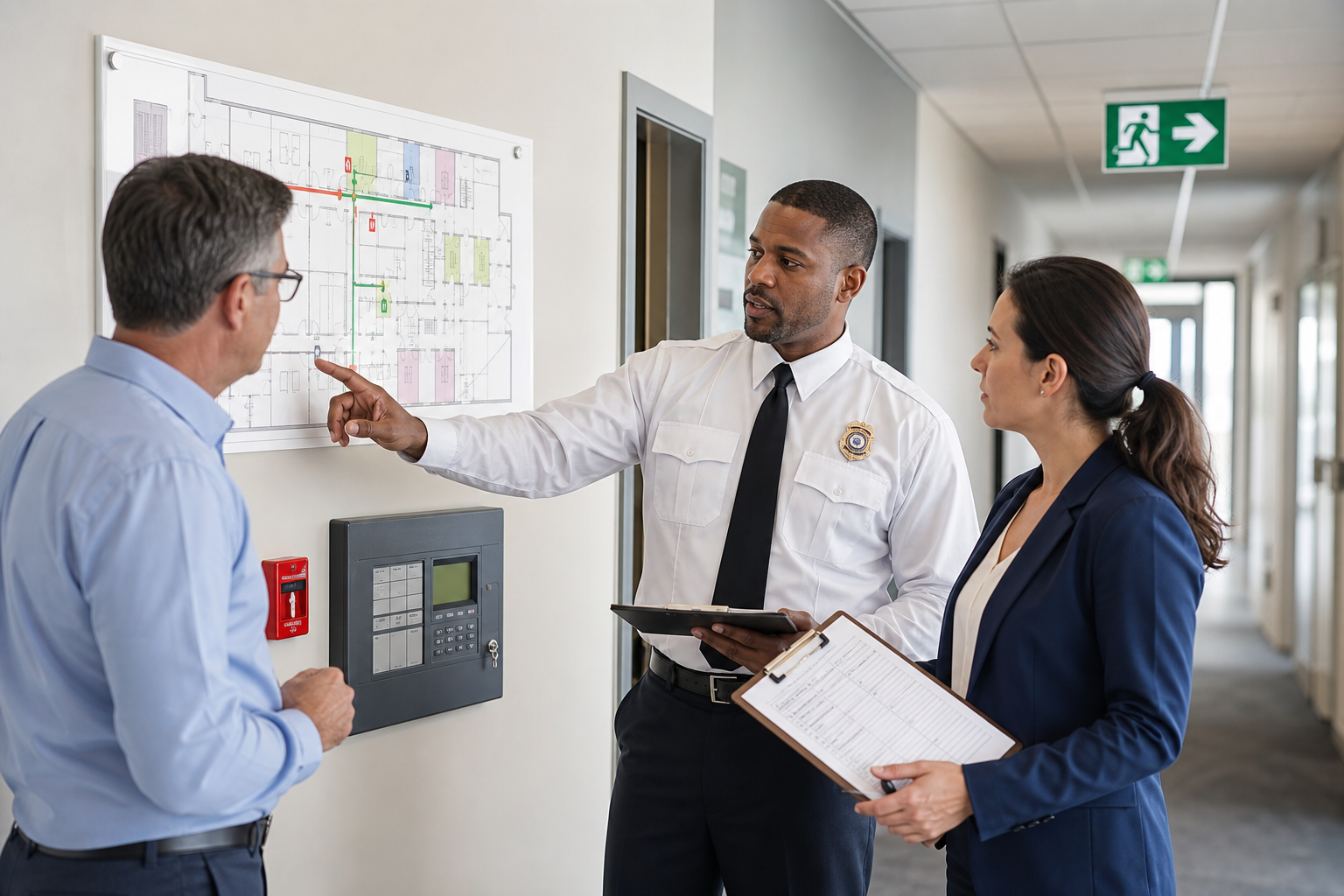
E911HQ helps businesses understand how 911 calls should work from offices, factories, warehouses, stores, hotels, schools, clinics, public spaces, and remote workers. The focus is simple: reach the right 911 center, send a useful callback number, and give responders a location they can find.
911 readiness
Compliance, location records, testing, internal alerts, and 911 center results tied together.
Call taking, dispatch, and escalation
FCC, state, and local obligations
Police, fire, EMS coordination
Dispatchable location and validation
Common E911 business questions
Workplace E911 scenarios
A compliant emergency-calling plan is not just a phone-system setting. It has to match the physical workplace: rooms, floors, suites, docks, gates, production zones, public areas, and remote-work addresses.
Enterprise routing playbooks
Practical guides for Teams, Genesys, Cisco, Avaya, emergency-routing providers, and the 911 center systems that receive business emergency calls.

PIDF-LO deep dives
Deeper technical explainers for teams that need to understand how location can be packaged and passed to emergency-routing providers.

Compliance

By Owen Park
A scorecard turns scattered E911 issues into something leadership can fund, track, and fix.

Cloud Calling
A plain-English guide to the carrier, provider, routing, and 911 answering center vocabulary that shows up in E911 projects.

Public Spaces
Cleaner test notes help 911 answering centers, providers, and enterprises diagnose E911 issues without burning operational time.
Remote Location
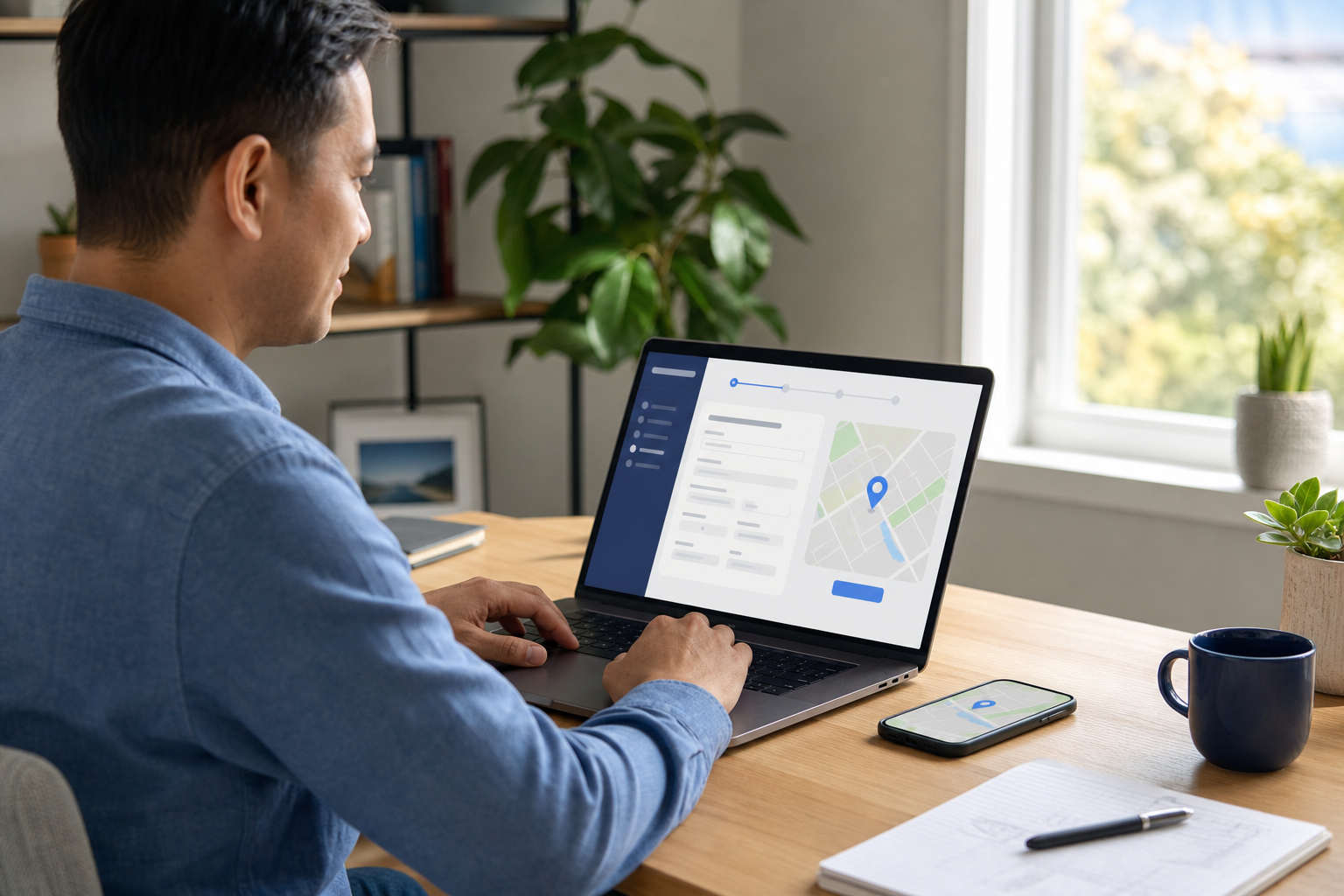
Softphones and home offices keep location governance on the emergency-calling agenda.
Compliance
Why enterprise E911 programs must account for state law, local 911 answering center practice, and dispatchable-location expectations.
Cloud Calling

By Sofia Miller
Provider selection now depends on validation, evidence, support response, and operational controls, not only call pricing.
Network
Readiness Testing
By Owen Park
How to prove an E911 service is ready before cutover and keep evidence after production changes.
Cloud Calling

By Ben Carter
What failover design should cover when 911 depends on cloud calling, SIP voice trunks, session border controllers, and provider routing.
Network
How internal emergency notifications, bridges, and responder support should work when someone dials 911.
Network
By Ben Carter
When 911 is dialed, the callback number must help the 911 answering center reconnect to the right caller, not merely ring a main reception line.
Network
How subnets, switch ports, wireless access points, and device inventory can support E911 location assignment.